
OEM Guide
How to Import Dash Camera: Technical Principles, Specifications, Applications and Buying Guide
How to Import Dash Camera guide covering principles, specifications, applications, comparison, installation risk, FAQ and OEM/wholesale buying advice.
Entreprise
Shenzhen Duby Technology Co., Ltd.
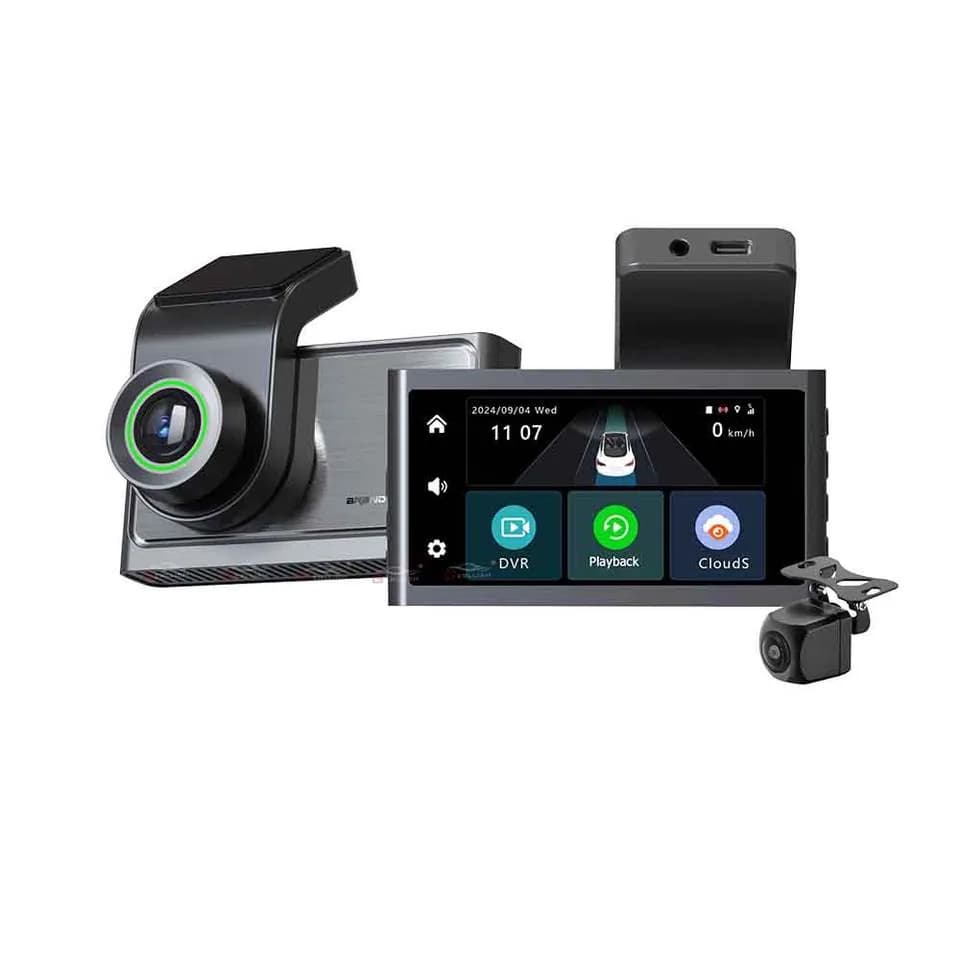
Résumé exécutif
How to Import Dash Camera procurement should not rely on one parameter. Confirm vehicle type, mounting position, signal format, power, connector, cable, host compatibility, real vehicle test and batch after-sales risk.
Points d'achat
- Select by vehicle and application before comparing price.
- Sample test must cover day, night, long cable, trigger, recording and interference.
- Confirm connector, harness, package, certification, spare parts and after-sales responsibility before batch order.
Avantages
- Structured selection reduces wrong samples.
- Easy for distributors, installers and fleet buyers to explain the solution.
- Connects product pages, solution pages and RFQ workflow for SEO internal links.
Risques de sélection
- Comparing only pixel or price can create compatibility issues.
- Projects without real vehicle test have higher batch risk.
- Video format, connector and certification can vary by market.
Sommaire
Guide visuel technique
Schémas SVG pour vérifier principe, spécification, interface, installation, application, comparaison et achat avant test d'échantillon.
Principe
Real Product Reference
Flux du capteur, ISP et codec vers moniteur, DVR, MDVR ou plateforme.
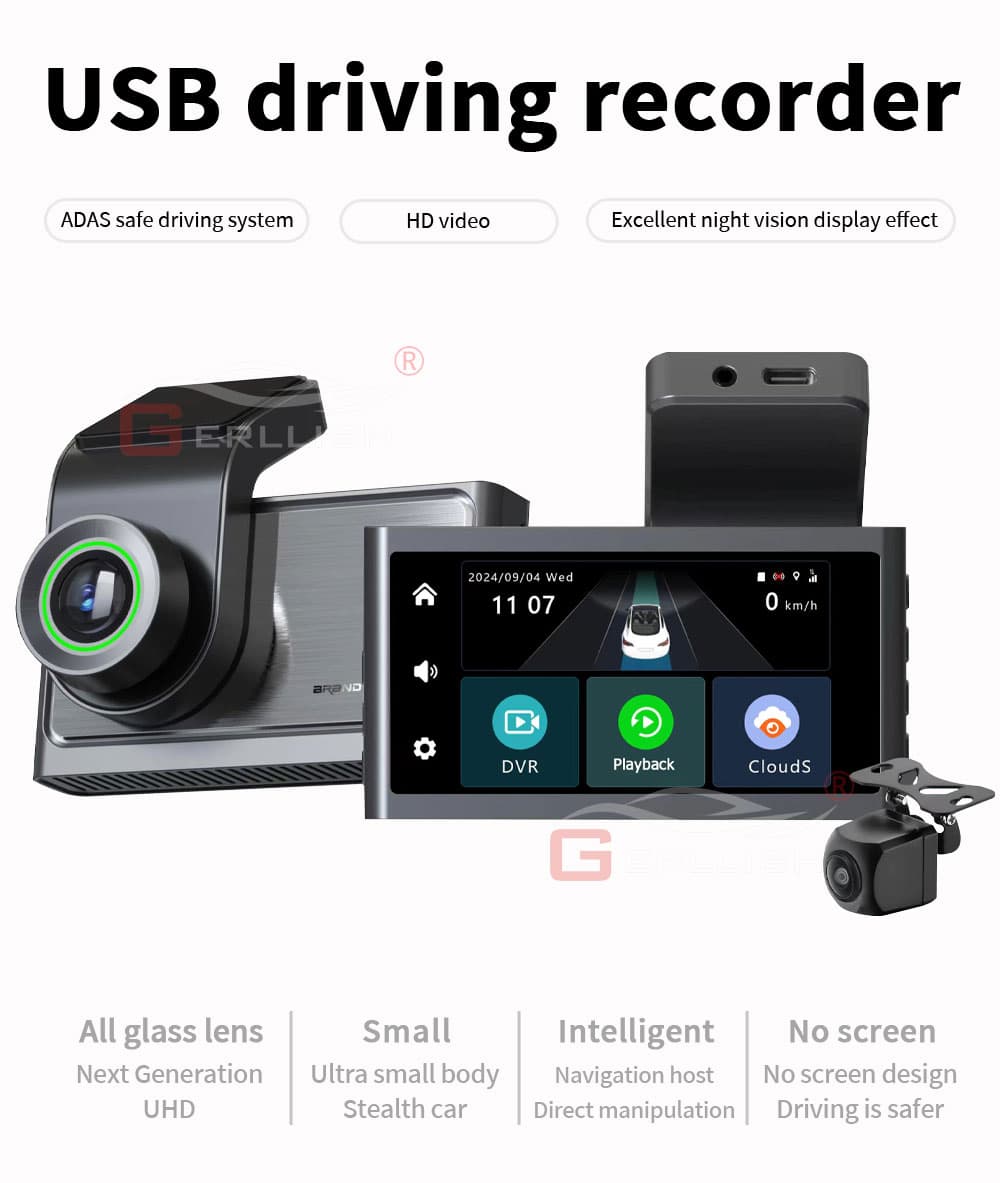
Spécifications
Real Product Reference
Résolution, fps, tension, protection, vision nocturne et température.
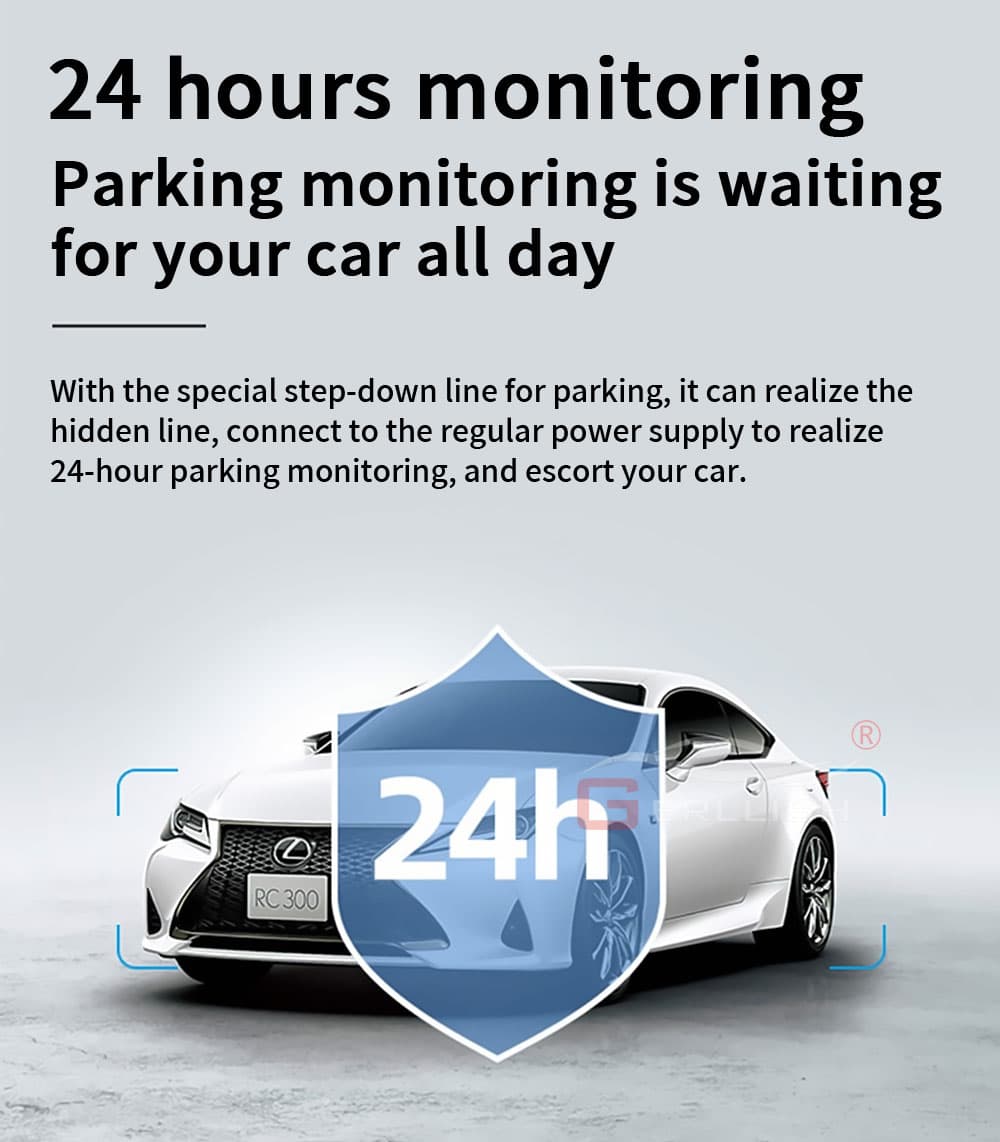
Interface
Real Product Reference
RCA, connecteur aviation, GX12, GX16, M12, USB, WiFi, 4G et pinout.
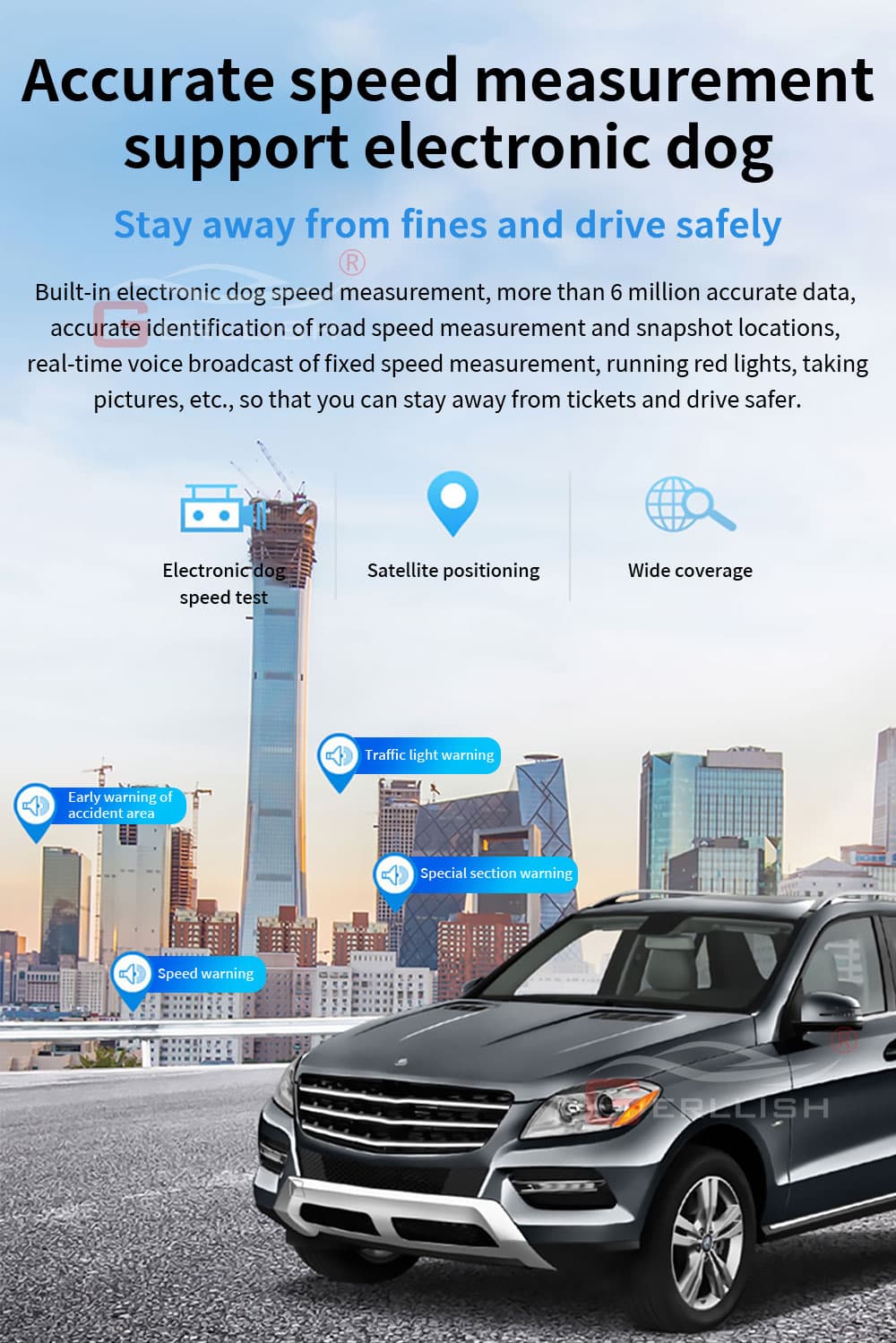
Installation
Real Product Reference
Position, câble, déclenchement, support et étanchéité.
Application
Real Product Reference
Taxi, bus, camion, logistique, bus scolaire, chantier, mine et OEM.
Comparaison
Real Product Reference
CVBS, AHD, TVI, CVI, IP Camera, Dash Cam, CarPlay et MDVR.
Achat
Real Product Reference
Besoin, échantillon, test véhicule, petit lot et commande série.
Technical definition and system architecture of How to Import Dash Camera
How to Import Dash Camera belongs to the OEM Guide product family and should be evaluated by vehicle type, host compatibility, connector, power supply, installation environment and after-sales maintenance. A professional buying decision is not only whether the product can work, but whether it can remain stable in the target market and vehicle condition.
A complete project may include sensor or main chipset, lens or display module, ISP or encoder, power management, cable harness, bracket, housing, firmware menu, package and test standard. Comparing only one specification often creates sample approval but batch-order risk.
Core specification checklist
Confirm resolution, frame rate, video format, lens angle, power range, operating temperature, waterproof rating, night vision, WDR/HDR, noise reduction, mirror mode, latency, connector, cable length and interference protection. For dash cams, also check sensor, ISP, loop recording, parking monitor, ADAS, BSD, GPS, WiFi, 4G, cloud, dual-lens and triple-lens configuration.
For CarPlay and Android Auto products, confirm wired or wireless mode, Linux or Android platform, USB dongle, AI Box, CarPlay Box, vehicle compatibility, Bluetooth/WiFi connection, firmware upgrade and installation method. For truck systems, check MDVR, monitor, four-channel camera, AI BSD, AI DMS, power protection and fleet platform.
Application-based selection logic
Taxi projects focus on road and cabin evidence, night image and passenger disputes. Bus and school bus projects focus on doors, cabin, reversing and multi-channel recording. Logistics vehicles need rear view, side blind-zone coverage, cargo door evidence and long operating stability. Construction, mining and forklift projects require waterproof, dustproof, vibration-resistant and low-light performance.
For fleet projects, product specifications are only the foundation. Remote view, GPS route, alarm, playback, SIM data cost, platform fee and maintenance workflow must be evaluated. For OEM/ODM projects, pinout, package, manual language, firmware, certification and spare parts are also part of the product.
Procurement risk and sample validation
Before purchase, request real sample, datasheet, installation drawing, pin definition, package information and certification reference. Sample tests should cover daytime, nighttime, rain, long cable, voltage fluctuation, engine start, reverse trigger, playback and real vehicle vibration.
Before mass production, confirm MOQ, lead time, QC standard, spare part ratio, package drop test, manual language, after-sales process and return responsibility. For project orders, test one vehicle first, then small batch, then scale the deployment.
Internal links and product matching
When evaluating How to Import Dash Camera, review related product pages, solution pages and RFQ channels together. Camera projects often connect rear camera, dash cam, truck camera, CarPlay upgrade, fleet recording and OEM sourcing.
DubyTech can help match models by target market, vehicle type, quantity, budget, connector and installation method, reducing repeated sample communication and wrong procurement.
Liste des spécifications
Comparaison technique
| Élément | Idéal pour | Avantage | Note |
|---|---|---|---|
| AHD | Reverse, side view, truck, bus and commercial vehicles | Low latency, controlled cost and long coaxial transmission | Monitor or DVR must support the selected AHD resolution. |
| CVBS | Legacy vehicle and budget replacement | High compatibility and low cost | Image detail is limited for evidence or AI use. |
| IP Camera | High resolution, network platform and AI integration | Scalable and platform-ready | Cost, latency, power and network setup are more complex. |
| Multi-channel System | Truck, bus, school bus, dangerous goods transport | Complete evidence around the vehicle | Cable, power, storage and monitor layout must be planned. |
FAQ
Why does How to Import Dash Camera show no image?
Check power, ground, trigger wire, video channel, signal format and monitor/DVR compatibility first. AHD cameras may show black screen on CVBS-only monitors.
Why is night vision poor?
The cause may be IR reflection, weak low-light sensor, small aperture, dirty lens, wrong mounting angle or blocked IR area.
Why does the picture flicker?
PAL/NTSC mismatch, unstable power, poor grounding, weak shielding or display compatibility can cause flicker.
Why is the screen black?
Typical causes include wrong voltage, wrong signal format, incorrect pinout, no trigger signal, wrong channel or damaged camera.
Can PAL and NTSC be mixed?
It is not recommended. Some monitors auto-detect, but B2B projects should standardize the format by target market.
Why is recording not smooth?
Storage speed, encoder load, unstable power, 4G network and multi-channel high-resolution recording can all cause dropped frames.
Why is there delay?
AHD is normally low latency. IP camera, AI processing, wireless transmission and cloud forwarding add delay.
Why is there interference?
Long cable, parallel power lines, poor shielding, ground loop or low-quality power supply are common reasons.
Why is cable length limited?
Video signal attenuates with distance. Higher-resolution analog video needs better cable and connector quality.
Can different cameras be mixed?
Only after checking signal, resolution, voltage, connector, image mirror mode, trigger mode and host compatibility.
When is 720P enough?
Budget replacement, small monitor and basic reversing can use 720P.
When is 1080P required?
Choose 1080P when pedestrian, cargo edge, plate or blind-area detail matters.
When should I choose 2K or 4K?
Use 2K/4K for premium display, evidence recording or retail products, after confirming DVR and cable support.
When should I avoid AHD?
Use IP camera when the project needs cloud platform, PoE, remote configuration, network AI or centralized management.
When is CVBS still acceptable?
Legacy replacement, basic low-cost reversing and small-screen systems can still use CVBS.
When is AI Camera required?
BSD, pedestrian detection, lane warning, blind-zone alarm and active safety require AI camera or AI DVR.
How to choose IP67 or IP69K?
IP67/IP68 suits normal outdoor mounting; IP69K is better for pressure washing, mining, mud and harsh commercial use.
RCA or aviation connector?
RCA is common for passenger aftermarket. Aviation, GX and M12 connectors are better for waterproof commercial projects.
Why is the image mirrored incorrectly?
Reverse cameras usually need mirror image; front cameras usually need normal image. Some models switch by wire or menu.
What should be tested before bulk order?
Samples, cable length, pinout, mounting position, real vehicle test, package, certification, manual and spare parts should be confirmed.
Besoin d'un prix, d'échantillons ou d'OEM ?
Envoyez véhicule, marché, quantité, connecteur, tension et fonction. DubyTech aide à choisir le produit et le devis.